 Jing Bearing
How to choose bearing for Industrial Robot?
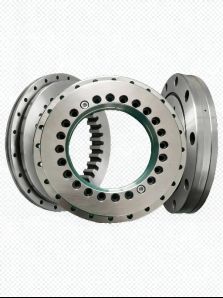
When selecting bearings for industrial robots, multiple factors such as load, precision, and lifespan must be considered to ensure the performance and reliability of the robot system. The following are key selection criteria:
1. Load and Operating Condition Adaptability
Industrial robot bearings must be able to withstand combined loads including radial, axial, and overturning moments. The magnitude of the load determines the bearing type: roller bearings are suitable for heavy loads, while ball bearings are suitable for light to medium loads. The bearings must also be matched to the working environment, such as high temperature, low temperature, or high-speed scenarios, requiring the selection of high-temperature resistant materials, special lubricants, or high-precision designs.
2. Precision and Motion Performance
Industrial robot bearings require extremely high precision, typically requiring P5, P4, or higher precision grades to minimize rotational errors. Low friction torque and low noise designs can improve motion smoothness and meet the needs of quiet environments such as those for medical robots.
3. Lifespan, Reliability, and Maintenance
The rated lifespan of industrial robot bearings must match the working cycle. High-quality bearings reduce failure rates and minimize downtime. When selecting bearings, the total life cycle cost should be evaluated, including procurement, maintenance, and replacement costs, to achieve optimal benefits.
4. Installation and Structural Compatibility
The ease of installation and space requirements of industrial robot bearings must be compatible with the compact design of the robot. For example, the segmented structure of crossed roller bearings simplifies installation. Clearance, sealing type, and fit tolerances should be optimized based on factors such as rotational speed and temperature to ensure stable operation.
5. Cost and Supplier Factors
While meeting performance requirements, the selection of industrial robot bearings requires a cost-benefit analysis. Priority should be given to suppliers with mature technology and high market share, such as some domestic bearing brands that have reached international standards, to ensure quality and supply stability.
In summary, systematically evaluating the above criteria will help in making a scientific selection of industrial robot bearings, balancing performance, cost, and reliability.
1. Load and Operating Condition Adaptability
Industrial robot bearings must be able to withstand combined loads including radial, axial, and overturning moments. The magnitude of the load determines the bearing type: roller bearings are suitable for heavy loads, while ball bearings are suitable for light to medium loads. The bearings must also be matched to the working environment, such as high temperature, low temperature, or high-speed scenarios, requiring the selection of high-temperature resistant materials, special lubricants, or high-precision designs.
2. Precision and Motion Performance
Industrial robot bearings require extremely high precision, typically requiring P5, P4, or higher precision grades to minimize rotational errors. Low friction torque and low noise designs can improve motion smoothness and meet the needs of quiet environments such as those for medical robots.
3. Lifespan, Reliability, and Maintenance
The rated lifespan of industrial robot bearings must match the working cycle. High-quality bearings reduce failure rates and minimize downtime. When selecting bearings, the total life cycle cost should be evaluated, including procurement, maintenance, and replacement costs, to achieve optimal benefits.
4. Installation and Structural Compatibility
The ease of installation and space requirements of industrial robot bearings must be compatible with the compact design of the robot. For example, the segmented structure of crossed roller bearings simplifies installation. Clearance, sealing type, and fit tolerances should be optimized based on factors such as rotational speed and temperature to ensure stable operation.
5. Cost and Supplier Factors
While meeting performance requirements, the selection of industrial robot bearings requires a cost-benefit analysis. Priority should be given to suppliers with mature technology and high market share, such as some domestic bearing brands that have reached international standards, to ensure quality and supply stability.
In summary, systematically evaluating the above criteria will help in making a scientific selection of industrial robot bearings, balancing performance, cost, and reliability.
- previous:Rolling Mill Bearings: The Resilient Guardians of Modern Rolling Mills(2026/1/9)
- next: Causes and Systematic Solutions for Slewing Drive Noise(2026/1/9)
 Jing-Bearings Bearing