 Jing Bearing
Causes and Systematic Solutions for Slewing Drive Noise
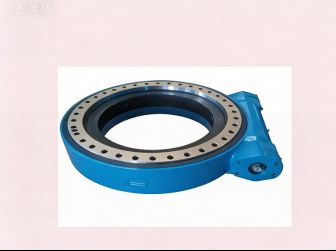
As a core rotating component of equipment such as aerial work platforms, the smooth and quiet operation of the slewing drive is crucial. Abnormal slewing drive noise is often a warning sign of equipment malfunction. This article will systematically analyze the five main causes of such noise and provide a complete solution from diagnosis to resolution.
In-depth Analysis of Noise Sources
1. Lubrication Failure: This is the most common cause of slewing drive noise. Insufficient, deteriorated, or incorrect type of lubricating grease prevents the formation of an effective oil film on the friction surfaces of the worm gear and bearings, resulting in dry friction noise, such as a continuous "hissing" or "grinding" sound.
2. Gear Pair Damage: Abnormal wear of the worm gear (such as pitting or galling) or excessive meshing clearance due to long-term use is a direct source of periodic "clunking" or grinding sounds. Foreign objects entering the meshing area can also cause sharp scraping sounds.
3. Bearing Damage: Fatigue pitting, cage fracture, or improper clearance in the support bearings will produce characteristic slewing drive noise, usually manifested as a "rumbling" sound accompanied by vibration or irregular "clicking" sounds.
4. Installation and Structural Problems: Uneven mounting base, loose fastening bolts, or deformation of structural components can disrupt the original alignment and rigidity of the slewing drive, generating low-frequency vibration and dull impact sounds under load. The noise caused by this problem is usually related to a specific angle.
5. Drive Connection Failure: Vibration of the hydraulic motor/electric motor itself, or wear and misalignment of the coupling/spline, will directly transmit pulsed knocking sounds to the entire slewing system, resulting in rhythmic slewing drive noise.
Diagnostic Steps and Professional Solutions
When faced with slewing drive noise, a systematic process should be followed:
Step One: Quick On-site Troubleshooting
1. Immediately and safely shut down the equipment, and record the noise characteristics and operating conditions.
2. First, check the lubrication system: Confirm the grease level and quality, and try adding or replacing the specified type of special lubricating grease. This can solve most of the noise caused by initial lubrication problems. 3. Check all fastening bolts: Re-tighten them to the specified torque to eliminate abnormal noises caused by looseness.
Step Two: Targeted Professional Repair
If the initial troubleshooting is ineffective, further inspection is required:
a. For gears and bearings: These must be disassembled and inspected by professional personnel to assess the condition of the worm gear tooth surfaces and bearing clearance. Based on the degree of wear, adjust the clearance or replace the components to fundamentally eliminate the rotational drive noise caused by wear of core components.
b. For installation problems: The mounting surface needs to be corrected to ensure rigidity, and the fasteners must be tightened strictly according to the procedures.
c. For the drive unit: Isolate and test the motor and coupling, replace damaged connecting parts, and realign them.
Step Three: Establish a Preventive Maintenance Mechanism (Long-term Solution)
Effective prevention is better than reactive repair:
1. Strictly implement regular lubrication, using the correct grease and thoroughly replacing the old grease.
2. Implement periodic inspections, including the tightening status of bolts and the integrity of seals.
3. Standardize equipment operation, avoiding overload and impact rotation.
- previous:How to choose bearing for Industrial Robot?(2026/1/9)
- next:Jing Bearing’s Large-Scale Precision Bearings(2026/1/9)
 Jing-Bearings Bearing